


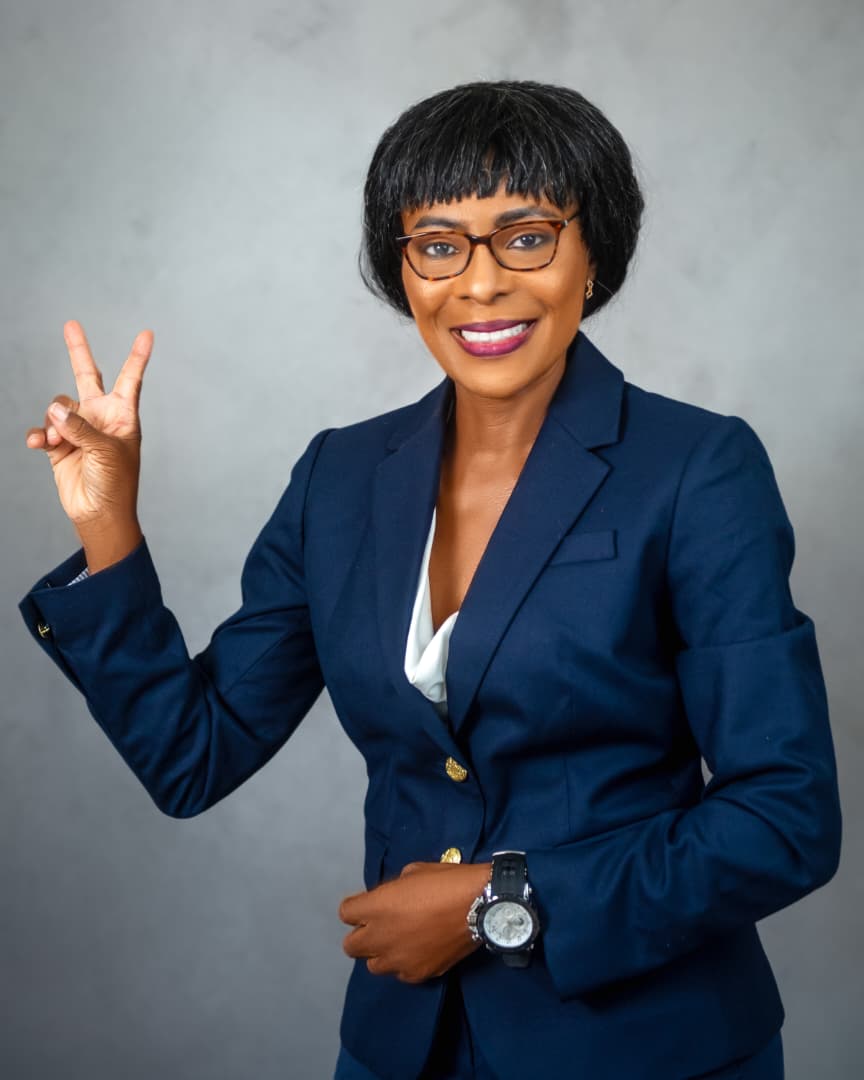
The search for an Egba running mate has become the defining suspense of Dr Bolaji Marie Odusina’s early campaign. Within NDC circles and across the wider Ogun State political spectrum, attention has increasingly focused on the possibility that the candidate may choose a figure from the Ransome-Kuti family—a decision that would carry both immediate electoral logic and deeper historical resonance.
Dr Odusina’s public messaging has consistently emphasised the need for a new beginning rooted in competence, integrity and structural change. She has positioned herself not merely as an alternative candidate but as a revivalist force seeking to recalibrate the purpose of governance. In that framing, the Ransome-Kuti legacy offers a natural parallel. The family’s record of challenging injustice, advancing public health, expanding educational opportunity and insisting on accountability remains a powerful reference point for many citizens who believe politics should serve as an instrument of transformation rather than continuity.

Strategists note that the Ransome-Kuti name retains extraordinary recognition across generations and social classes. In Egbaland particularly, it evokes pride, memory and a sense of unfinished progressive business. Pairing an Ijebu-origin gubernatorial candidate with such a running mate would create a ticket capable of speaking simultaneously to regional equity and to a broader desire for disruptive yet constructive leadership. The resulting media attention, they argue, would be substantial and largely self-sustaining—an advantage few conventional political names can match.
Other Egba contenders with solid local organisational strength remain under active consideration. Yet the conversation repeatedly returns to the distinctive advantages of the Ransome-Kuti option: national brand value, emotional connection within the Egba constituency, and alignment with the candidate’s own revolutionary rhetoric.
Sources close to the process describe the deliberations as thorough and sensitive, reflecting the weight Dr Odusina attaches to getting the balance right.
No formal announcement has been made, and campaign officials continue to stress that consultations are incomplete. Nevertheless, the sustained focus on the Ransome-Kuti possibility has already succeeded in elevating the NDC ticket into a subject of heightened interest. For a candidate seeking to break through established political hierarchies, that early narrative advantage may prove invaluable.
Whether the final choice ultimately falls on the historic family name or on another Egba figure, the intensity of the current speculation underscores a larger truth: the battle for Egba support will be decisive, and the manner in which Dr Odusina resolves it will shape perceptions of her candidacy for months to come. The political class is watching closely.
