
Close Menu
  • News
  • Politics
  • Business
  • Daily News Cover
  • Entertainment
  • Tech
  • More
    • Education
    • Opinion
    • Metro
    • Sports
  • Advert Rate
Facebook X (Twitter) Instagram
Trending
  • ATCS CEO tasks Ogun students on technology, entrepreneurship skills
  • Beyond moralising history: The real structural antecedents of 1966 and modern governance: A response to “Abubakar Malami and the Infamy of the Mambilla Hydropower Arbitration” by Chidi Anselm Odinkalu
  • ‘No DNA test, Jarvis is carrying my child’ – Peller fires back at critics
  • Yinka Quadri reveals wife knew about his relationships with actresses
  • Navi Pillay wins Nobel Peace Prize, other 2026 laureates announced
  • Turkey: What Galatasaray coach said as Osimhen returns with assist in 3-1 win over Kasimpasa
  • Why Super Eagles players didn’t want to go to 2026 World Cup – Onugkha
  • Police raid fake Naira mint in Aba, apprehend suspect
Facebook X (Twitter) Instagram
Daily News HubDaily News Hub
  • News

    Navi Pillay wins Nobel Peace Prize, other 2026 laureates announced

    October 10, 2026

    US bans certain transactions with International Criminal Court

    October 10, 2026

    Senator Yayi delivers equipped ICT centre at Remo High School

    October 9, 2026

    Pensioners hail NSITF MD over implementation of 23-yr-old Supreme Court judgment

    October 9, 2026

    NLC gives FG two-week ultimatum to slash petrol price, renegotiate minimum wage

    October 8, 2026
  • Politics

    2027: Honour your pledge, quit presidential race now, APC tells Peter Obi

    October 10, 2026

    2027: Amaechi may find it difficult to campaign in Rivers – Wike warns

    October 10, 2026

    FG counters Atiku, insists fuel discount not subsidy restoration

    October 10, 2026

    Petrol discount: Tinubu copying my subsidy model, says Atiku

    October 10, 2026

    Amosun, OGD back Yayi’s 2027 Ogun governorship bid, Olopade assures

    October 10, 2026
  • Business

    Petrol: NNPC restricts discount sales, may forgo N4.6bn

    October 10, 2026

    We introduced fuel discount before FG’s pronouncement, says NNPCL

    October 9, 2026

    Oyebanji presents N490.74bn 2027 budget proposal to Ekiti Assembly

    October 9, 2026

    FULL LIST: FG unveils 10 measures to cushion impact of rising petrol prices

    October 8, 2026

    BREAKING: FG announces 30-day fuel discount for Nigerians

    October 8, 2026
  • Daily News Cover

    Hardship: Again, World Bank warns Tinubu against reversing reforms

    October 17, 2024

    Hardship: Atiku, Obi swoop on Tinubu as First Lady defends hubby

    October 10, 2024

    Rivers’ Day of Rage!

    October 7, 2024

    Police, #FearlessInOctober protesters set for showdown today

    September 30, 2024

    Guber poll loss:Edo Govt House ‘deserted,’ Obaseki ‘disappears’

    September 26, 2024
  • Entertainment

    ‘No DNA test, Jarvis is carrying my child’ – Peller fires back at critics

    October 10, 2026

    Yinka Quadri reveals wife knew about his relationships with actresses

    October 10, 2026

    Alleged sexual offence: Poco Lee returns to social media after UK arrest

    October 9, 2026

    Peller, Jarvis announce pregnancy two months after wedding

    October 9, 2026

    ‘I won’t claim him until there’s a ring’ — Tacha reveals relationship status

    October 9, 2026
  • Tech

    Poor services: NCC orders telcos to compensate subscribers

    April 8, 2026

    Stop unauthorised filming of citizens,NDPC warns content creators

    March 13, 2026

    Alibaba plans $1.5m grants for African startups

    March 4, 2026

    Nigeria’s music streaming grew by 163.5% in five years — Spotify

    February 23, 2026

    X suffers global outageDaily Trust- X suffers global outage

    February 16, 2026
  • More
    • Education
    • Opinion
    • Metro
    • Sports
  • Advert Rate
Daily News HubDaily News Hub
Home»Opinion»Beyond moralising history: The real structural antecedents of 1966 and modern governance: A response to “Abubakar Malami and the Infamy of the Mambilla Hydropower Arbitration” by Chidi Anselm Odinkalu
Opinion

Beyond moralising history: The real structural antecedents of 1966 and modern governance: A response to “Abubakar Malami and the Infamy of the Mambilla Hydropower Arbitration” by Chidi Anselm Odinkalu

Daily News HubBy Daily News HubOctober 10, 2026No Comments
Facebook Twitter Pinterest LinkedIn WhatsApp Reddit Tumblr Email
Share
Facebook Twitter LinkedIn Pinterest Email

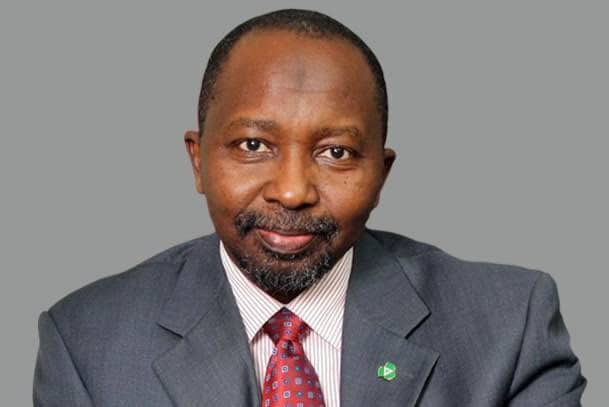
By Mohamed Kari (Wazirin Bauchi)
wazirinbauchi@gmail.com

In a recent commentary published in a national daily newspaper and some social media handles regarding the legal travails surrounding former Attorney-General of the Federation, Abubakar Malami, SAN, and the Mambilla hydropower arbitration saga, Professor Chidi Odinkalu opens with an engaging contrast. He juxtaposes the multi-million-dollar property forfeiture judgments of modern Nigerian public officers against the frugal lifestyle of Nigeria’s First Republic founding fathers.

While Odinkalu’s outrage over contemporary administrative graft is entirely justified, his opening premise relies on a flawed historical framing. Framing the January 15, 1966 military coup as an “anti-corruption” intervention whose execution was validated by the modesty of its victims’ personal estates repeats a long-standing historical fallacy. To suggest the demise of the First Republic was merely a high-minded moral purge glosses over the complex, volatile, and structural drivers of that national tragedy, chief among them the geopolitical fallout of the Northernisation Policy.

The reality of the Northernisation Policy

Understanding the political climate leading to January 1966 requires confronting post-independence administrative realities. In 1960, Nigeria inherited a profound structural imbalance in education and bureaucratic representation.

Because western-style educational institutions were introduced much earlier in the South, the federal civil service and technical departments operating within the Northern region; such as public works, railways, and postal services; were overwhelmingly staffed by Southern personnel, predominantly Igbo and Yoruba professionals.

Faced with regional disenfranchisement, the Premier of the Northern region, Sir Ahmadu Bello, formalised the Northernisation Policy in the mid-1950s. In the Northern region’s public service, qualified Northerners were given preference. Where no qualified Northerner was available, expatriates were recruited on short-term contracts until local capacity could be developed.

From the Northern leadership’s perspective, Northernisation was not a campaign of hostility, but a vital mechanism for regional self-preservation and equity. Without it, the North; comprising over half the nation’s landmass and population; faced the prospect of being governed within its own borders by administrators from other regions.

Structural anxiety and the 1966 explosion

However, the Northernisation policy created acute friction across the political landscape. Thousands of Southern civil servants who built careers in Kaduna, Kano, Zaria, and Jos found their promotional prospects halted or their roles re-allocated. This policy created deep professional anxiety among Southern intellectuals, civil servants, and young military officers, who interpreted Northern political dominance as a deliberate attempt to marginalize Southern professionals.

When Major Chukwuma Nzeogwu and his conspirators struck on January 15, 1966, their public broadcasts routinely condemned “political profiteers and swindlers.” Yet this rhetoric was hardly unique. Virtually every one of the eleven (11) African military coup of that era; from Egypt in 1952 to Togo and Upper Volta (Burkina Faso) in January 1963; recycled the standardised justification of anti-corruption to legitimise military intervention. The Nigerian coup plotters simply adopted the continental playbook.

Furthermore, looking closely at the actual evidence of corruption in Nigeria at that time, the only major official investigation was the Coker Commission of Inquiry in 1962; which focused strictly on regional statutory corporations in the Western region. Because Nigeria operated a true federal structure rather than a unitary system, findings in the West could not be generalised to the entire federation.

Crucially, post-coup asset verifications proved that the murdered Northern leaders; including Prime Minister Sir Abubakar Tafawa Balewa and Premier Sir Ahmadu Bello; left behind no accumulated fortunes, personal estates, or hidden assets. The anti-corruption pretext collapses entirely when applied to the Northerners killed in the purge. How else can one explain the origin/location of the coup leadership and majority of the victims. If anti-corruption was the primary justification for the coup, and official post-coup investigations returned a completely negative finding regarding these allegations, then the nation, the families of the Prime Minister, the Premier, and all the Northern leaders and officers and indeed all Nigerian murdered in that violent putsch are owed an unreserved apology. Only by confronting these facts can history be set straight and Nigeria truly reconcile with its past, and not for learned commentators like the Professor to continue disguisedly recirculating that fallacy.

The flaw of anachronistic comparisons

Odinkalu’s attempt to link the modest personal wealth of First Republic leaders to a critique of modern corruption introduces an anachronistic false equivalence. Especially with the benefit of 60 years of hindsight.

Conclusion

Exposing and penalising modern administrative malfeasance; whether in the Mambilla arbitration or civil service procurements; is essential for Nigeria’s future. Public accountability demands rigorous, evidence-based critique.

However, we do no service to modern accountability when we distort the historical record. The 1966 coup was not a clean moral baseline against which modern greed can be calculated. It was a structural collapse triggered by certain regional imbalances and administrative distrust. Dethroning modern corruption requires institutional strengthening and absolute legal transparency; which all Nigerian agree with; not the mischievous romanticising of a military intervention; based on a hidden agenda that shattered Nigeria’s constitutional foundation for ever.

Share. Facebook Twitter Pinterest LinkedIn Tumblr Telegram Email
Daily News Hub
  • Website

Related Posts

King’s College And Its Concession Conundrum

October 10, 2026

Declined transactions: Why Sogunle-PDP’s ‘Sovereign Blueprint’, ‘Source Code’ just bounced

October 9, 2026

Ogun 2027: Who is afraid of Yayi’s impressive records?

October 7, 2026

Comments are closed.

ATCS CEO tasks Ogun students on technology, entrepreneurship skills

October 10, 2026

Beyond moralising history: The real structural antecedents of 1966 and modern governance: A response to “Abubakar Malami and the Infamy of the Mambilla Hydropower Arbitration” by Chidi Anselm Odinkalu

October 10, 2026

‘No DNA test, Jarvis is carrying my child’ – Peller fires back at critics

October 10, 2026

Yinka Quadri reveals wife knew about his relationships with actresses

October 10, 2026

Navi Pillay wins Nobel Peace Prize, other 2026 laureates announced

October 10, 2026

Turkey: What Galatasaray coach said as Osimhen returns with assist in 3-1 win over Kasimpasa

October 10, 2026
About Us
About Us

Daily Newshub is a general interest online newspaper with bias for reporting the news behind the news cutting across Politics, Business, Economy, General Interests, Crime and Human Interest stories, Features/Opinions, City, Entertainment and Sports.

© 2026 Daily News Hub. All Rights Reserved. Designed by DeedsTech.
  • About Us
  • Contact Us

Type above and press Enter to search. Press Esc to cancel.