


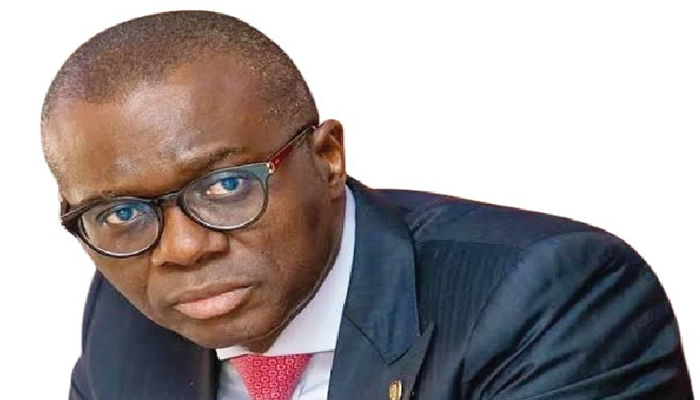
Lagos State Governor, Babajide Sanwo-Olu, says the Gross Domestic Product of Lagos, in the last five years under his administration, had risen by almost 50 per cent and surpassed the GDPs of over 40 African countries.
He said this development could be linked to the unending efforts by his administration to improve the Ease of Doing Business and the decision to leverage the technology and entrepreneurial abilities of its population for economic activities.
Sanwo-Olu said Lagos had advanced from being a state in deficit during the military to becoming a hub for investment and technological advancements.
The Governor stated this while delivering the closing speech at the ongoing 3rd AfriCaribbean Trade and Investment Forum (ACTIF 2024) in Nassau on the theme: “Global Africa, Global Lagos: The Role of Sub-Nationals in Driving the Global African Agenda.”
Governor Sanwo-Olu was quoted by his Chief Press Secretary, Gboyega Akosile, as saying in a statement on Thursday,
“Lagos is an example of a unique African success story, shaped by an interesting mix of advantages and challenges. It is the smallest of Nigeria’s 36 States, yet is responsible for more than a third of Nigeria’s entire GDP. Lagos has grown to have a GDP that is greater than the GDPs of all but seven African countries. In the last five years, under my leadership, we have seen an almost 50 per cent increase in our GDP.
“Lagos presents a significant context on how sub-national governments are vital in writing new stories of development and advancing the economic agenda of the continent. I am proud to say that we in Lagos State have indeed mastered the art and science of Public-Private Partnerships. Having pioneered this private sector-led development in Lagos, we are now exporting that template to other States across the country.
“Our growth stories speak to the importance of African solutions and African capacity for tackling African problems. As we work towards accomplishing our aspirations, it is clear that sub-sovereign entities, such as cities, states, provinces, regions, and municipalities, can be instrumental in translating African countries’ high-level goals into tangible outcomes. It is at this sub-national level that a lot of the most remarkable reforms and transformations are playing out.”
