


By Idris Katib & Mariam Sobogun
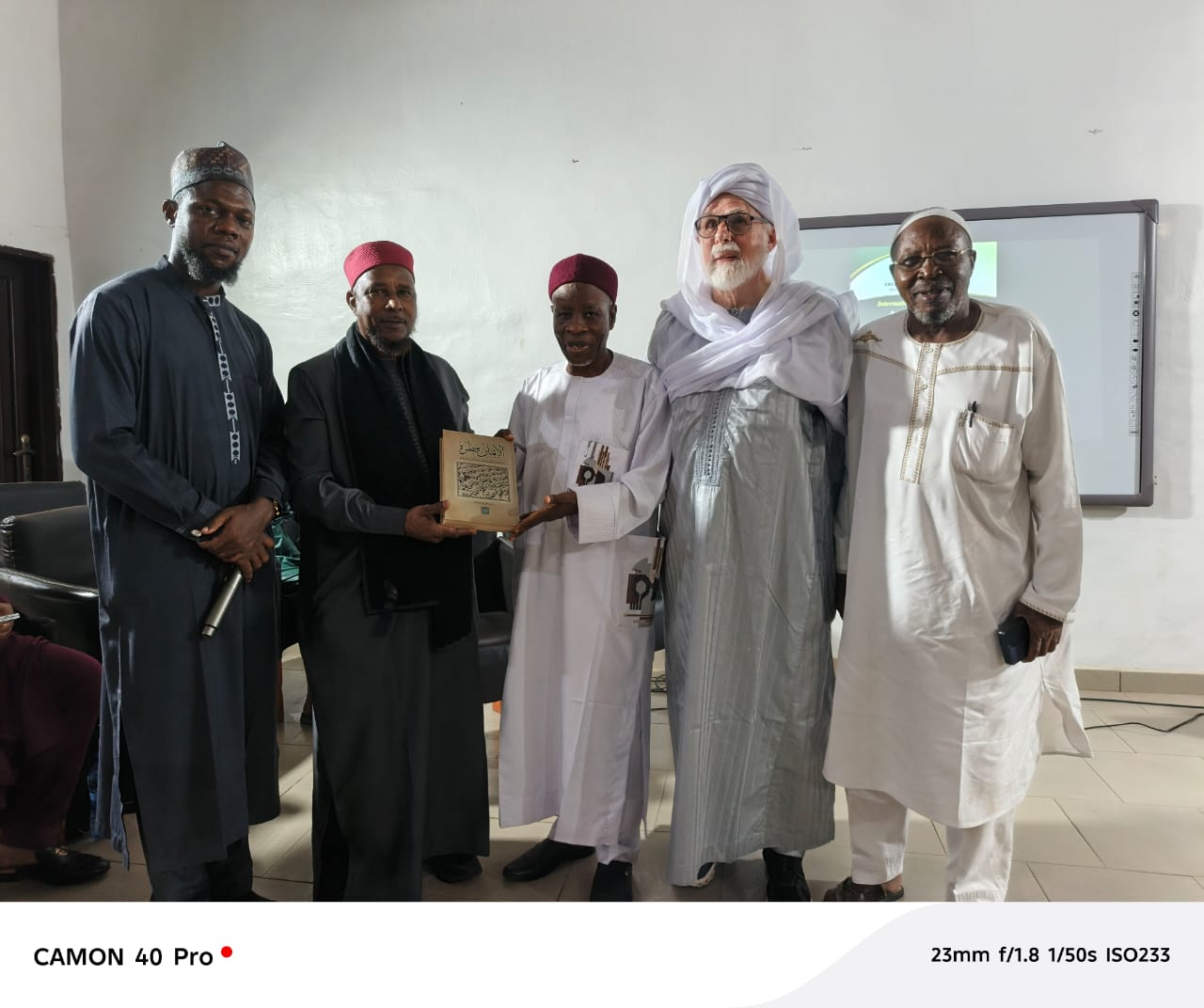
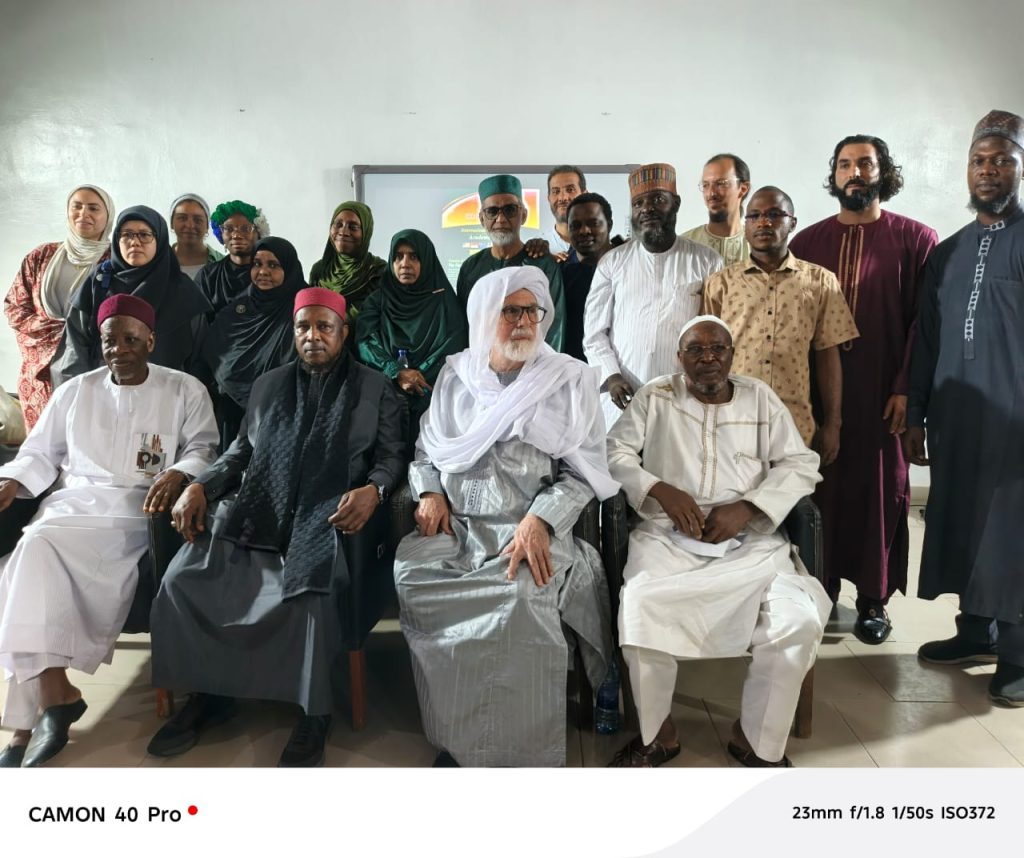
As part of expanding its frontiers of knowledge and global exchange, Department of Islamic Studies of Crescent University, Abeokuta, recently hosted scholars from continents of Europe, America, Asia and Africa to dissect history of Islam as being framed by Westerners and their media.
An academic seminar organised in honour of an amalgam of international delegation named Oasis Initiative, explored the dynamic history of Islam across Europe and Africa, revealing a pattern of growth rooted in solutions, not force.
In his seminar lecture titled “The History of Islam in Early Medieval Europe”, His Eminence, Dr Umar Faruq Abdullah led discussions to trace how the Umayyads extended their influence into parts of Europe, opening pathways for cultural and economic exchange.
He explained that from Andalus in Muslim Spain and Portugal, Islamic governance fostered coexistence and intellectual advancement, to Septimania in South-Eastern France.
A key historical insight highlighted was how Islam spread by addressing societal needs. In Sicily, Islam expanded through problems only Muslims could solve within the context of the Shariah. These practical solutions, grounded in Islamic principles enhanced living conditions and contributed to the gradual acceptance of Islam.
As parts of Northern Europe faced economic decline, many turned toward Muslim regions for trade, drawn by systems known for fairness, structured markets, and ethical dealings.
In West Africa, despite vast natural resources, internal divisions limited growth. Muslim traders and scholars introduced cooperative trading communities, fostered alliances through intermarriage, and established systems aligned with Islamic principles. This created stability and interconnected networks that supported both economic and social development. These foundations later resonated in reform movements such as that of Usman dan Fodio, who advanced Islamic governance and scholarship in the region.
The seminar reinforced a historical pattern where Islam expanded through governance, trade, knowledge, and social reform, shaping societies across continents.
The visitation of members of OASIS Initiative was led by His Excellency Sharif Shaykh Muhammad Jaylani Haydara and other distinguished members.
In his appreciation remarks, Dean of College of Arts, Management and Social Sciences (CASMAS), Emeritus Prof. Kamaldeen Balogun, who played the host assured that
Crescent University would continue to provide a platform for engaging with these rich legacies of faith, history, and global connection.
Prof. Balogun said since history “has been perverted and given another coloration, importance of history of religion is very important” in its proper perspective.
He emphasized the need for a paradigm shift by seeking knowledge which he described as the only password.
Others present at the programme are the Deputy Vice Chancellor of Crescent University, Abeokuta, Prof. Rasaki Kareem, Head of Department of Accounting,Prof. Tunji Siyanbola and Head of Department of Islamic Studies, Dr Idris Oni
