


From Idris Khalid, Bauchi
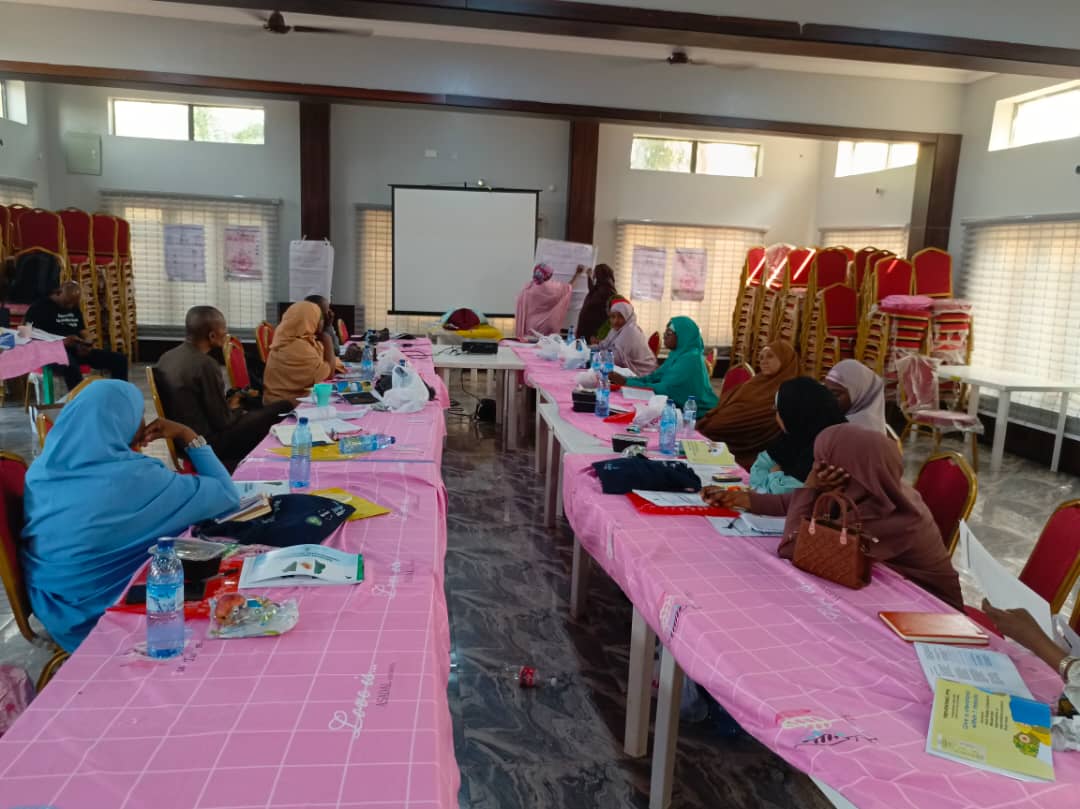
The Bauchi State Primary Health Care Board (BSPHCB), in collaboration with the United Nations Children’s Fund (UNICEF) and with support from Global Affairs Canada (GAC), has trained healthcare workers on the prevention and management of postpartum haemorrhage (PPH), a leading cause of maternal deaths.

The three-day refresher training, organised under the Bleeding After Birth (BAB) PPH Treatment Project, is aimed at strengthening healthcare workers’ capacity to detect excessive bleeding after childbirth and provide timely and effective treatment to prevent avoidable maternal deaths.
Speaking during the training in Bauchi, the deputy programme manager for reproductive, maternal, newborn and child health at the BSPHCB and gender focal person, Amina Balali, said the Training of Trainers (ToT) programme was designed to equip healthcare workers with the knowledge and skills required to prevent, identify and manage postpartum haemorrhage.
She explained that participants would subsequently transfer the knowledge and skills acquired to other healthcare workers in their respective facilities and communities across the state’s 20 local government areas.
According to her, 24 participants drawn from secondary and tertiary healthcare facilities, including the teaching hospital, the BSPHCB, the State Ministry of Health and the Hospital Management Board, are participating in the training.
Balali said the implementation plan was to extend the training to two or three healthcare workers in each of the 268 targeted health facilities to strengthen the prevention and management of postpartum haemorrhage across the state’s healthcare system.
She explained that healthcare workers at the primary healthcare level would be equipped to initiate immediate treatment, stabilize patients where possible and make urgent referrals when complications exceeded their facilities’ capacity.
She noted that postpartum haemorrhage remained a major challenge because it was difficult to predict which women might experience excessive bleeding during or after childbirth, making preparedness, early detection and prompt intervention critical.

“We want to ensure that at least two healthcare workers in each targeted facility are equipped to recognise postpartum haemorrhage, initiate appropriate treatment and make timely referrals when necessary,” she said.
Balali added that increasing the number of trained healthcare workers, particularly at the grassroots level, would improve maternal healthcare services and reduce preventable deaths among women during childbirth.
Also speaking, the lead facilitator, Dr. Emmanuel Agbogo, an obstetrician at the Federal University of Health Sciences Teaching Hospital, Azare, said the training was designed to equip healthcare workers with practical skills to prevent, detect and manage postpartum haemorrhage in line with the World Health Organisation’s recommended First Response Bundle of Care.
Agbogo described postpartum haemorrhage as one of the leading causes of maternal mortality globally, noting that it remained a significant concern in Nigeria, particularly in the North-East.
He explained that the training would strengthen healthcare workers’ ability to prevent excessive bleeding after delivery and, where prevention failed, promptly recognise the condition and administer appropriate treatment.
According to him, the programme was particularly important because some communities and primary healthcare centres in the North-East had yet to benefit from similar capacity-building interventions.
He expressed optimism that the Training of Trainers approach would expand the programme’s reach, as participants would return to their respective facilities to train other healthcare workers responsible for attending to women during childbirth.
Agbogo added that follow-up activities would be conducted to obtain feedback from participating facilities and assess the impact of the intervention.
On multiple micronutrient supplementation (MMS) during pregnancy, he explained that improved maternal nutrition could help address anaemia, a condition associated with increased risks of complications during childbirth.
He identified poverty, limited health literacy and inadequate access to nutritious food as some of the challenges preventing pregnant women from meeting their nutritional needs.
He said multiple micronutrient supplementation could improve women’s nutritional status by addressing deficiencies, including anaemia, while stressing that supplementation should complement other preventive measures and appropriate clinical care.
Speaking on the sidelines of the training, UNICEF Health Officer at the Bauchi Field Office, Oluseyi Oloshunde, said the agency was working with the state government to improve the quality of healthcare provided to pregnant women during childbirth and the postpartum period.
Oloshunde explained that UNICEF’s Bauchi Field Office supports child survival and development programmes in Adamawa, Bauchi, Gombe, Taraba and Plateau states.
He said the intervention was part of broader efforts to address Nigeria’s high maternal mortality burden and contribute to the achievement of the Sustainable Development Goals (SDGs).
According to him, UNICEF identified postpartum haemorrhage as a major contributor to maternal deaths in Nigeria, making it necessary to strengthen the capacity of frontline healthcare workers to respond effectively to emergencies during childbirth.
He disclosed that UNICEF had also provided funding to extend the intervention to primary healthcare facilities across Bauchi State’s 20 local government areas.
“We are targeting 226 primary healthcare workers, including nurses, midwives and community health extension workers, across the 20 local government areas.
“The objective is to ensure that these healthcare workers have the necessary knowledge and skills to provide quality care to pregnant women, particularly during childbirth,” he said.
Oloshunde also highlighted the importance of multiple micronutrient supplementation in improving maternal health, particularly in addressing nutritional deficiencies and preventing anaemia among pregnant women.
He explained that MMS contains a combination of essential vitamins and minerals needed to support the health of pregnant women, adding that anaemia could increase the risks associated with childbirth.
He noted that adequate micronutrient intake, alongside appropriate antenatal care, was important in improving maternal nutritional status and reducing complications.
Explaining the dangers of postpartum haemorrhage, Oloshunde said the condition occurred when a woman experienced excessive bleeding following childbirth.
He noted that blood loss of 500 millilitres or more following vaginal delivery was traditionally used as a clinical threshold for identifying postpartum haemorrhage, although healthcare workers must recognise warning signs and initiate treatment promptly without waiting for blood loss to reach that level.
He said the training was intended to equip healthcare workers with the skills to identify excessive bleeding early, provide appropriate emergency care and prevent complications that could result in maternal deaths.
“The training is all about empowering and refreshing the knowledge of healthcare workers so that they can provide adequate support and quality care to pregnant women during childbirth.
“When a woman experiences excessive bleeding, healthcare workers need to know the appropriate steps to take, the care to provide and how to manage the situation to prevent the woman from losing her life,” he said.
Oloshunde expressed optimism that strengthening the capacity of healthcare workers across primary and secondary healthcare facilities would improve maternal healthcare delivery and contribute to reducing preventable maternal deaths in Bauchi State.
One of the participants, Yadi Mohammed of General Hospital, Azare, said the training had covered important areas relating to the prevention, early detection and management of postpartum haemorrhage.
She said participants were expected to share the knowledge and practical skills acquired with colleagues in their respective facilities and other health institutions to strengthen the management of PPH cases.
