


From Idris Khalid, Bauchi
The Adolescent Girls Initiative for Learning and Empowerment (AGILE) Project in Bauchi State has targeted more than 24,000 adolescent girls who have missed out on formal education for enrolment in its alternative education programme, designed to provide them with a second chance to acquire basic education and vocational skills.

The initiative, under sub-component 2.2C of the AGILE Project, targets girls aged between 15 and 22 who have either never attended school or dropped out due to various circumstances.
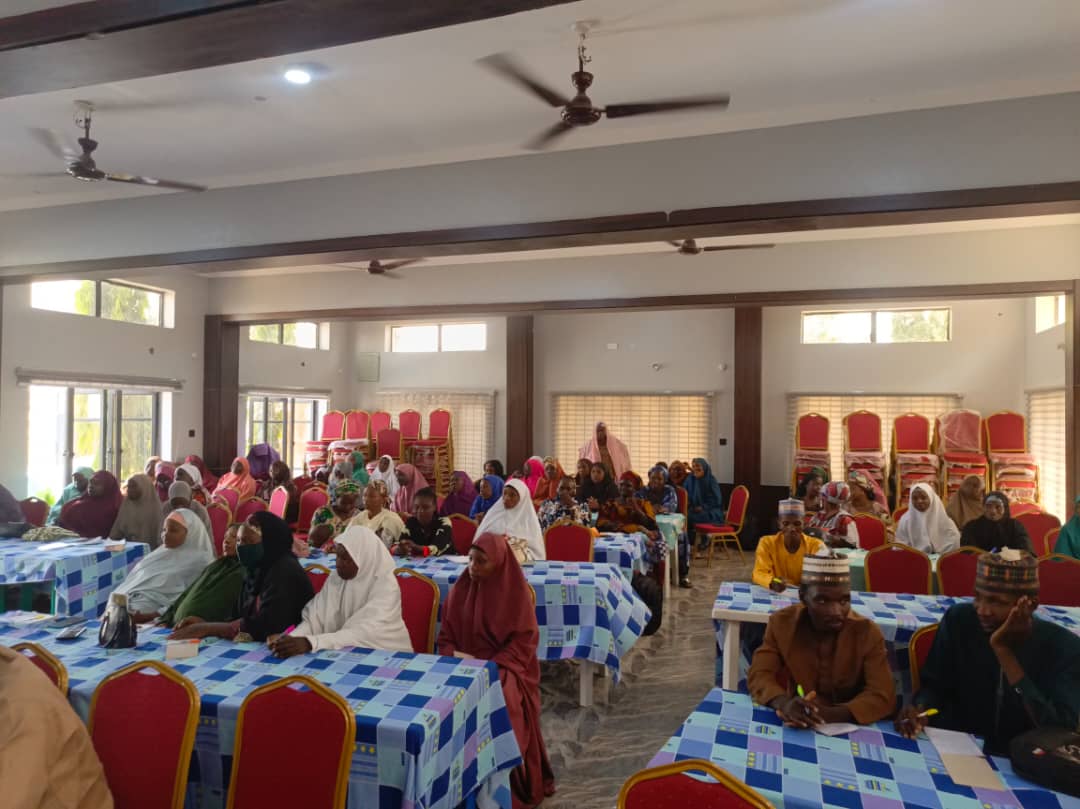
Speaking yesterday during a five-day training of learning centre facilitators at the Medical and Health Workers Union Conference Hall, Bauchi, the component lead for alternative education under the AGILE project, Hajiya Sa’adatu Muhammad, said the programme was designed to provide educational opportunities for adolescent girls who could no longer conveniently return to primary schools.
She explained that the programme provides basic literacy and numeracy education for girls who have never attended school, while those who previously attended school but dropped out would receive post-literacy education to build on their existing knowledge.
According to her, adolescent girls would have the opportunity to integrate into the formal education system after completing the programme, while those who choose not to continue would still acquire essential reading, writing and communication skills.
She said the programme also incorporates life skills education, covering personal hygiene, menstrual health management, critical thinking, decision-making and leadership skills.
Sa’adatu added that the adolescent girls would receive financial literacy and livelihood skills training to prepare them for economic independence.
She said the project conducted a needs assessment across all 20 local government areas of Bauchi State before commencing implementation last year to identify marketable and in-demand vocational skills.
“Based on the findings, we allowed the girls to select the particular vocational or entrepreneurial skills they were interested in learning.
“After the first three to six months of basic literacy, numeracy and life skills education, they will be introduced to the livelihood training component,” she said.
She noted that the overall objective was to equip the beneficiaries with educational and practical skills that would make them self-reliant and financially independent after completing the one-year programme.
On the project’s achievements, Sa’adatu disclosed that 1,766 adolescent girls were enrolled and trained across the 20 local government areas during the first year, which largely served as a pilot phase.
She said the project had since identified more than 24,000 prospective beneficiaries for its second year of implementation following an enumeration exercise conducted in vulnerable communities across the state.
According to her, more than 186 learning centres have been identified, with additional communities expressing interest in having centres established to provide educational opportunities for their girls.
She disclosed that the project planned to engage 400 facilitators to teach the beneficiaries, adding that the facilitators were required to possess relevant educational qualifications, including the Nigeria Certificate in Education (NCE), Higher National Diploma (HND), university degrees or recognised teaching qualifications.
She said the project was currently training the first batch of 140 facilitators drawn from Bauchi South and three local government areas in Bauchi Central, namely Darazo, Ningi and Warji.
She added that another training session would subsequently be organised for facilitators from Bauchi North, explaining that the arrangements were based on geographical proximity and accessibility.
The component lead further disclosed that the programme would provide cash transfers to beneficiaries in phases to encourage their continued participation and support their learning.
She explained that the first payment would be made after beneficiaries completed six months of literacy and numeracy education, while the second would follow the completion of the livelihood skills training.
Also speaking, the Bauchi State Commissioner for Education, Abdulkadir Ibrahim, urged the facilitators to take the five-day training seriously and acquire the necessary knowledge and skills to effectively teach adolescent girls in their respective learning centres.
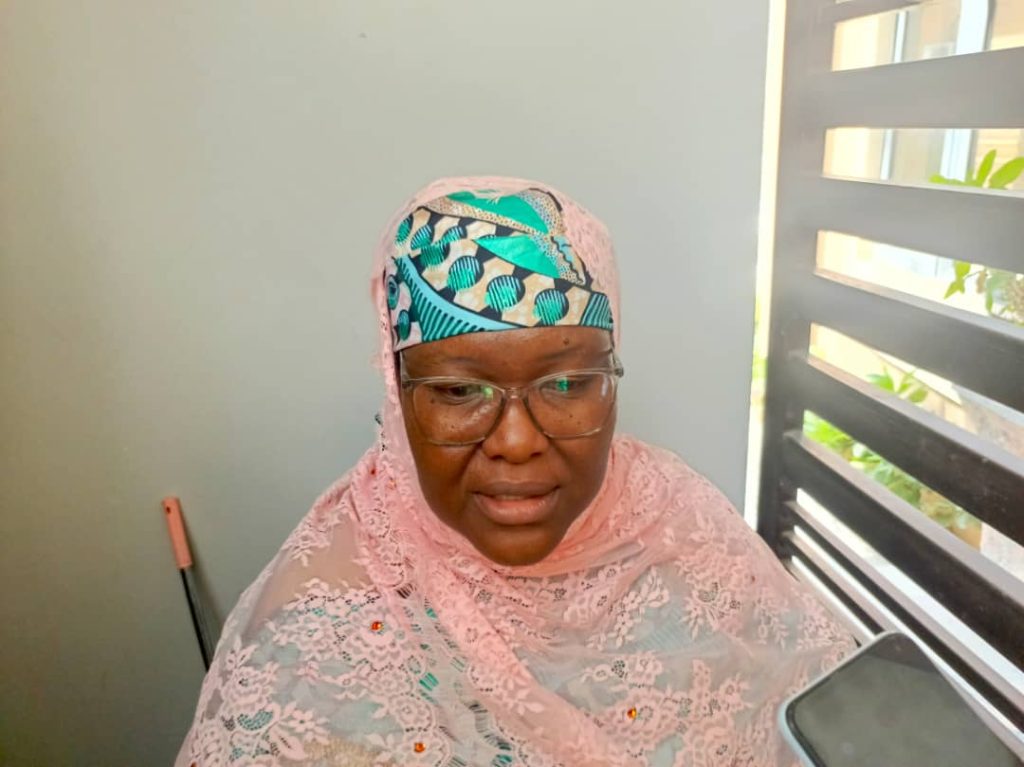
The commissioner, who was represented by Abbas Abdulmumini, said the training was designed to equip participants with the skills required to manage the learning centres and deliver the programme’s objectives.
He encouraged the facilitators to demonstrate commitment, discipline and determination throughout the training, stressing that their contributions would be crucial to the success of the initiative.
Ibrahim also commended AGILE for introducing the Alternative Education Programme, describing it as an important opportunity for women and young people who had missed out on formal education for different reasons.
He observed that some girls were unable to continue their education because of early marriage, while others were forced out of school by circumstances beyond their control.
He said the programme would give such individuals another opportunity to acquire education and practical skills, improve their livelihoods and contribute meaningfully to society.
