


By Ayo Arowojolu
The simmering political feud between former Ogun State governorship aspirant, Senator Prof. Iyabo Obasanjo, and the All Progressives Congress (APC) governorship candidate, Senator Solomon Olamilekan Adeola, aka, Yayi, took a dramatic turn on Monday as the former senator broke her silence over allegations that she demanded millions of naira and dollars from the APC governorship flagbearer before leaving the ruling party.

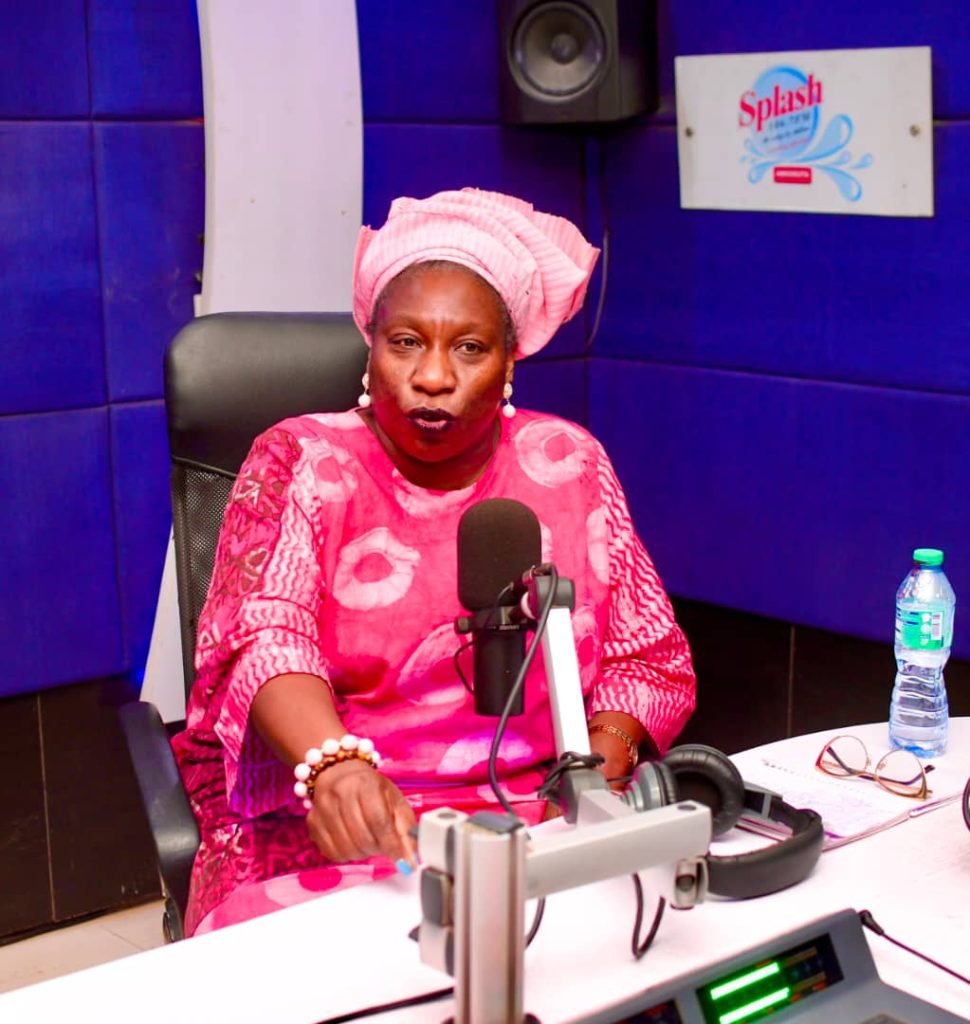
Speaking during Oju Abe, a current affairs programme on Splash 106.7FM, Abeokuta, Senator Obasanjo rejected the allegation in its entirety, describing it as “a deliberate act of blackmail” designed to tarnish her integrity and mislead the public.
In a no-holds-barred interview, the Prof of Epidiomology accused Senator Adeola of lacking integrity and trustworthiness, insisting that the disagreement between them had nothing to do with money but everything to do with broken promises and what she described as disrespect following the APC’s consensus governorship arrangement.
“What I find uncomfortable with Yayi is lack of trust,” she declared. “Yayi has trust deficit. He lacks integrity and should not be taken seriously. What he has done is playing the politics of blackmail. I can never trust him again in my life.”
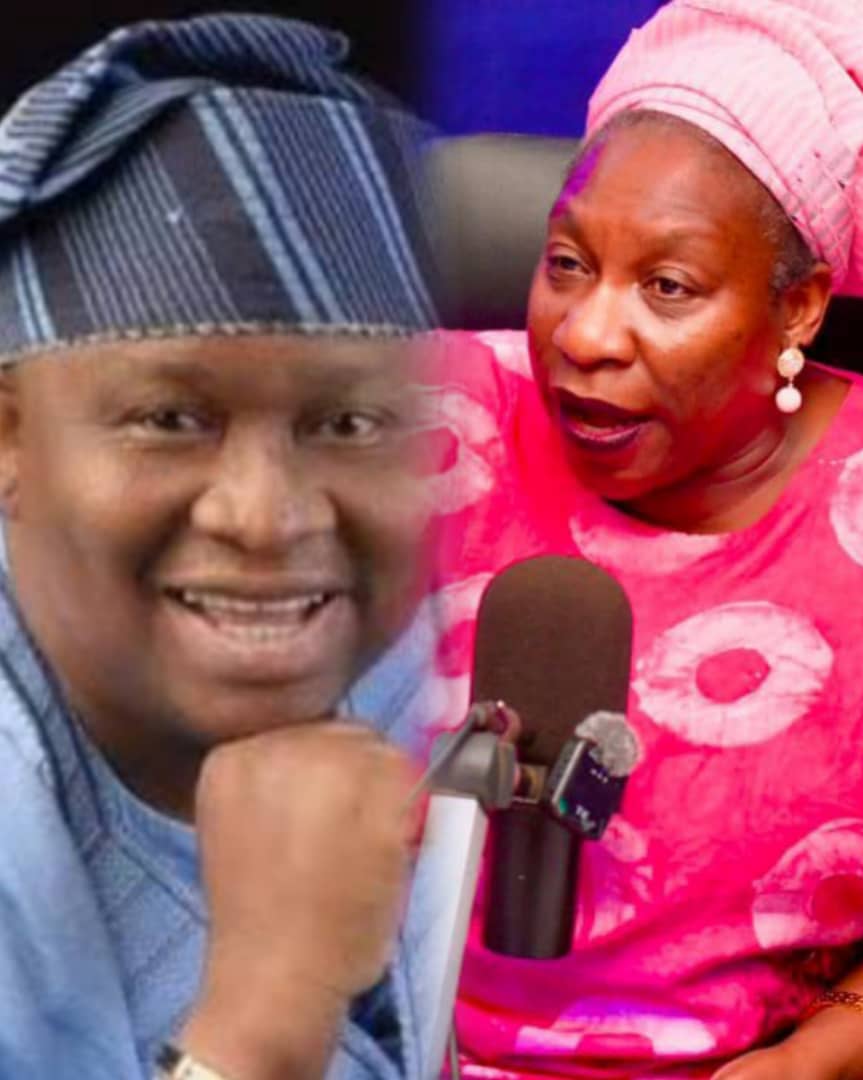
Her comments came days after Senator Adeola publicly alleged that Senator Obasanjo requested reimbursement of campaign expenses running into millions of naira and dollars, suggesting that such a demand reflected a transactional approach to politics.
But Senator Obasanjo offered a markedly different account of events.
According to her, after she accepted the party’s consensus decision and dissolved her governorship campaign organisation in May 2026, Senator Adeola initiated contact by formally requesting a meeting with her.
She said the meeting was held at his instance in her residence and centred on how both camps could work together following the governorship primary process.
Rather than demanding personal financial compensation, she explained, representatives of her political tendency presented three proposals aimed at fostering unity within the party.
Those proposals, she said, included possible assistance in mitigating campaign expenses if he considered it appropriate, the inclusion of at least three of her loyal supporters in his campaign structure, and support for her eventual aspiration to represent Ogun Central in the Senate.
According to her, Senator Adeola promised to consult widely and revert within one week.
“Six weeks later, there was no response,” she recalled, saying the prolonged silence convinced her that she and her supporters had not been treated with the respect they deserved.
That experience, she explained, became a major factor in her eventual decision to resign from the APC before later accepting the Peoples Democratic Party (PDP) senatorial ticket.
“Now, I am no longer contesting governorship but Senate,” she said. “If it’s about money, who wants his money anyway?”
Questioning the basis of the allegation against her, Senator Obasanjo wondered why anyone would assume financial inducement could influence her political decisions.
She further criticised what she described as a style of politics built on monetary inducement rather than public service.
“What drives me, unlike them, is not transactional politics—buying people’s votes with money,” she said. “He thinks everyone has a price that can be bought.”
Drawing attention to her own political trajectory, Senator Obasanjo argued that her public service record predates Senator Adeola’s emergence on the national political scene.
She recalled serving as Ogun State Commissioner for Health in 2003 before later representing Ogun Central in the Senate in 2011, maintaining that her political career had been built on service, credibility and grassroots engagement rather than financial inducement.
“When I was Commissioner for Health in 2003, he probably had not started politics. When I became Senator in 2011, he was in the Lagos State House of Assembly,” she said.
She also referenced the humanitarian work of her Iyaniwura Foundation, which she said had empowered thousands of people over the years without attaching political conditions.
“We do real empowerment and touch many lives. We didn’t start helping people because of elections. Service has always been part of who we are,” she stated.
In one of the interview’s most striking remarks, the former senator said leadership must be anchored on credibility, insisting that integrity remains the most valuable currency in politics.
“In politics,” she declared, “your word is your bond.”
Her intervention has added a fresh dimension to what is rapidly becoming one of Ogun State’s most closely watched political rivalries ahead of the next general election.
With Senator Obasanjo now flying the flag of the PDP in the Ogun Central Senatorial District and Senator Shuaib Salisu seeking another term on the APC platform, the controversy surrounding her departure from the ruling party appears unlikely to fade soon.
Whether the exchange ultimately reshapes voter perceptions or merely intensifies an already heated political contest, one thing is evident: the battle for Ogun Central has moved beyond party platforms into a fierce contest over credibility, trust and competing visions of political leadership.
