


From Idris Khalid, Bauchi
The United Nations Children’s Fund (UNICEF), with support from the United States Government, has provided small-quantity lipid-based nutrient supplements to more than 40,000 children aged six to 23 months in Bauchi State as part of efforts to prevent malnutrition.

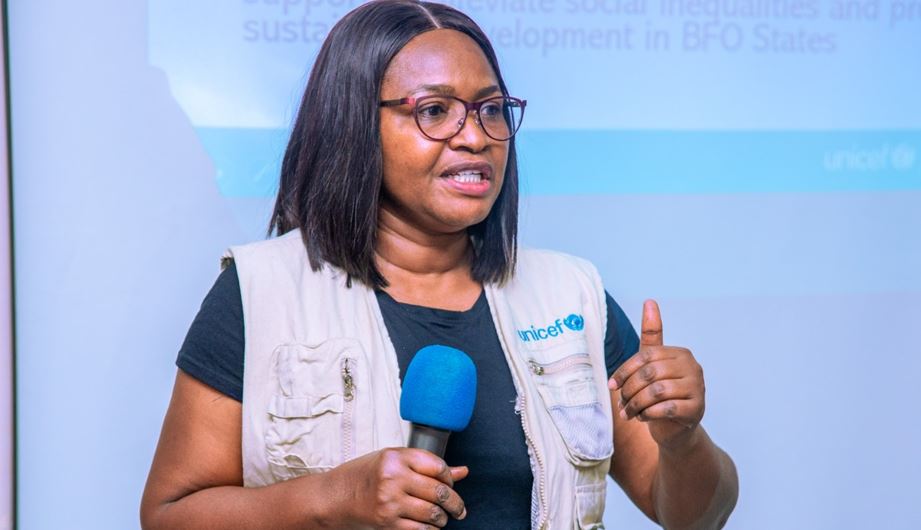
UNICEF Nutrition Specialist at its Bauchi Field Office, Philomena Irene, disclosed this while speaking with journalists in Bauchi, saying the intervention was among measures being implemented to improve nutrition outcomes and strengthen maternal and child healthcare across the state.
She said the support, provided through a grant to the Bauchi State Government in collaboration with UNICEF and other partners, had strengthened nutrition interventions at both community and healthcare-facility levels.
According to her, UNICEF had also trained more than 6,000 members of the “Mama-to-Mama” and “Fathers for Good Health” groups to provide health education and promote positive health-seeking behaviours in their communities.
Irene said more than 50 healthcare workers had been trained at facility level on the provision of nutrition supplementation, while logistics and information management systems had also been strengthened to improve the delivery and monitoring of interventions.
She added that the programme had strengthened Food and Nutrition Committees at the local government level, enabling councils to take greater ownership of nutrition interventions.
“With the support from the US Government, we have been able to strengthen the Food and Nutrition Committee at the local government level, especially by ensuring that local governments are in the forefront and drivers of nutrition interventions, both nutrition-sensitive and nutrition-specific activities,” Irene said.
She explained that some local governments had committed and released funds for nutrition activities, including the procurement of nutrition commodities, ready-to-use therapeutic food and multiple micronutrient supplements to prevent anaemia among pregnant women.
Irene further disclosed that UNICEF had conducted advocacy meetings with legislators and local government chairmen to secure stronger budgetary commitments for nutrition programmes.
She stressed the importance of the first 1,000 days of a child’s life, describing the period from pregnancy to a child’s second birthday as a critical window for growth and development.
“The first 1,000 days in the life of a child, from when the mother is pregnant to when the child is two years, is the most critical period in the life of a child.
“This is a particular period where we call the window of opportunity, where about 75 per cent of brain development is taking place, while the muscular and skeletal systems and vital organs are being developed,” she said.
Irene warned that poor nutrition and inadequate healthcare during the period could have long-term consequences for children’s development, health and productivity.
She said increased investment in nutrition during the first 1,000 days would also help reduce future government expenditure on healthcare, education and other social services.
Meanwhile, community volunteers participating in the awareness campaigns said the initiatives had contributed to changes in health-seeking behaviour among families in Jama’are Local Government Area.
Yusuf Hafizu, a “Fathers for Good Health” advocate in Jama’are D Ward, said the initiative had helped change the attitudes of many families towards antenatal care, immunisation and other essential health services.
He said he had personally convinced some members of his community who previously refused to take their children for vaccination to embrace immunisation.
“A major success I achieved was changing my neighbour’s mindset. Previously, he would not take his children for vaccinations. However, after raising his awareness, guiding him and dispelling the myths circulating about vaccines, he now ensures that his children are vaccinated and his wives attend the hospital,” Hafizu said.
He added that similar changes had been recorded among other members of his family and community.
Also speaking, a “Mama-to-Mama” advocate, Rahama Dauda Abdullahi, said she had been supporting women in her community even before joining the programme.
She said the training she received through the initiative had improved her knowledge of maternal and child health, particularly nutrition, immunisation and antenatal care.
“Whenever a birth was about to take place in my neighbourhood, I would be called to assist the woman in labour. After receiving training through the ‘Mama-to-Mama’ programme, I gained much more knowledge on how to improve the quality of the assistance I provide,” she said.
Abdullahi said the programme had also equipped her with knowledge on how to use locally available food ingredients to prepare nutritious meals for children.
She said the volunteers had intensified sensitisation on immunisation, antenatal care, hospital deliveries and other essential health practices, adding that the awareness campaigns had contributed to a reduction in home births in the communities where they operate.
According to her, she visits up to 30 households every week to educate families on maternal and child healthcare.
Abdullahi said she covers Tudun Wada, Kofar Fada and Yamma communities in Jama’are, adding that increased awareness had resulted in improved health-seeking behaviour among mothers and families.
In his remarks, the Director of Primary Health Care (PHC), Jama’are Local Government Area, Abdullahi Adamu Sulaiman, said the local government was taking steps to sustain the ongoing health interventions.
He said the area had recorded improvements in maternal and child health outcomes through programmes such as “Mama-to-Mama” and “Fathers for Good Health.”
Sulaiman commended UNICEF and other development partners for their support towards strengthening healthcare delivery, immunisation and child health in Bauchi State.
The “Fathers for Good Health” initiative is designed to engage fathers and male community members in promoting positive health-seeking behaviour, supporting maternal and child health, and encouraging families to access essential healthcare services.
