


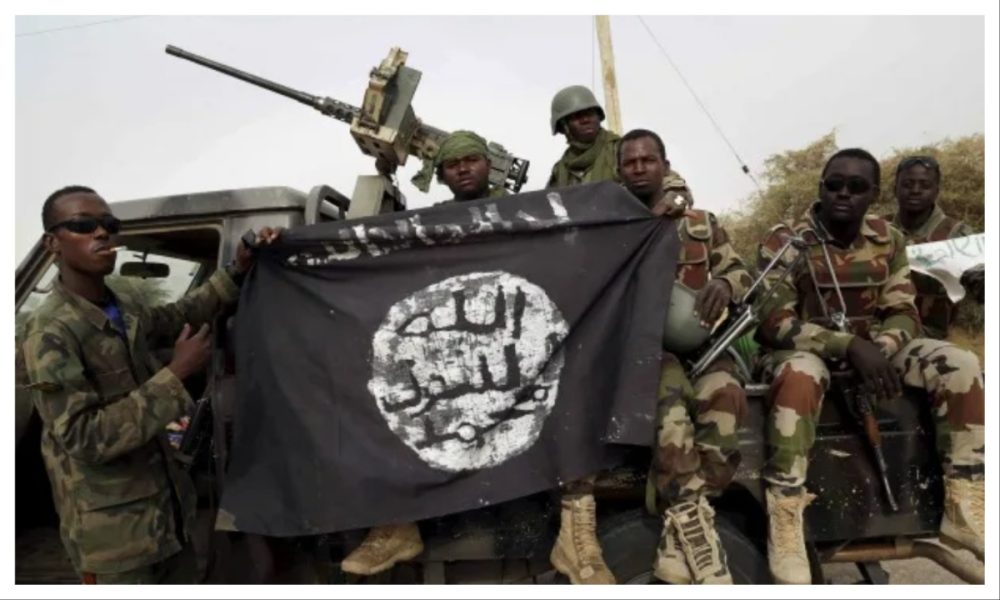
Rival terror groups, Boko Haram and Islamic State West Africa Province, are reportedly engaged in renewed violent clashes deep inside the Sambisa Forest and surrounding areas of Borno State.
Security analyst, Zagazola Makama, disclosed this in a post on X on Saturday, citing intelligence from insurgent enclaves across the region.
According to the report, the latest insight into the conflict emerged from a conversation between a suspected Boko Haram fighter, identified as Ba Musa, believed to be operating within the Sambisa axis of Bama Local Government Area, and an associate known as “Ya Kazalla.”
Makama said the exchange, which reportedly took place on Thursday, provided a rare glimpse into the internal narratives and dynamics shaping the ongoing rivalry between the two extremist factions.
During the conversation, Kazalla was said to have sought clarification over reports suggesting that ISWAP fighters had recorded significant victories against Boko Haram.
However, Musa reportedly disputed the claims, insisting that Boko Haram had instead inflicted heavy losses on ISWAP.
He allegedly claimed that about 100 ISWAP fighters were killed during a confrontation on April 29 within the Sambisa Forest.
Musa further stated that an additional seven ISWAP members were killed in another clash around a forested area in Molai, in Konduga Local Government Area.
He added that Boko Haram suffered minimal casualties, with only one fighter, identified as Munzir from Gamargu, reportedly killed in the encounters.
While the claims remain unverified, they underscore the growing intensity of the rivalry between the two groups, which has developed into a parallel conflict alongside their broader insurgency against state forces.
Makama noted that such internal clashes, though difficult to independently confirm, often result in significant casualties and disruptions to command structures on both sides.
Sambisa Forest and adjoining corridors, as well as the Lake Chad region, have long served as strategic strongholds for insurgent factions, making them key theatres for both inter-group conflict and ongoing military operations.
